In votes, what does «majority of the cantons» (Ständemehr) mean?
Was bedeutet bei Abstimmungen «Ständemehr»?
Correct answer: B
- A majority of all votesMehrheit aller Stimmen
- B majority of the cantonsMehrheit der Kantone
- C majority of votes by language region of SwitzerlandMehrheit der Stimmen nach Sprachregionen der Schweiz
- D majority in the preceding opinion pollsMehrheit in den vorausgegangenen Meinungsumfragen
Why
«Stände» is an old word for the cantons. The majority of the cantons (Ständemehr) is reached when the majority of cantons says yes.
Common mistakes
- A: majority of all votes
- The majority of all votes is called the majority of the people (Volksmehr), not the majority of the cantons (Ständemehr).
- C: majority of votes by language region of Switzerland
- Language regions play no role in popular votes. Votes and cantons are counted.
Topic
Majority of the people and majority of the cantons
In some popular votes it is not enough for more than half of the voters to say yes. A majority of the cantons is also needed. This is called the double majority: majority of the people and majority of the cantons.
The majority of cantons votes yes.
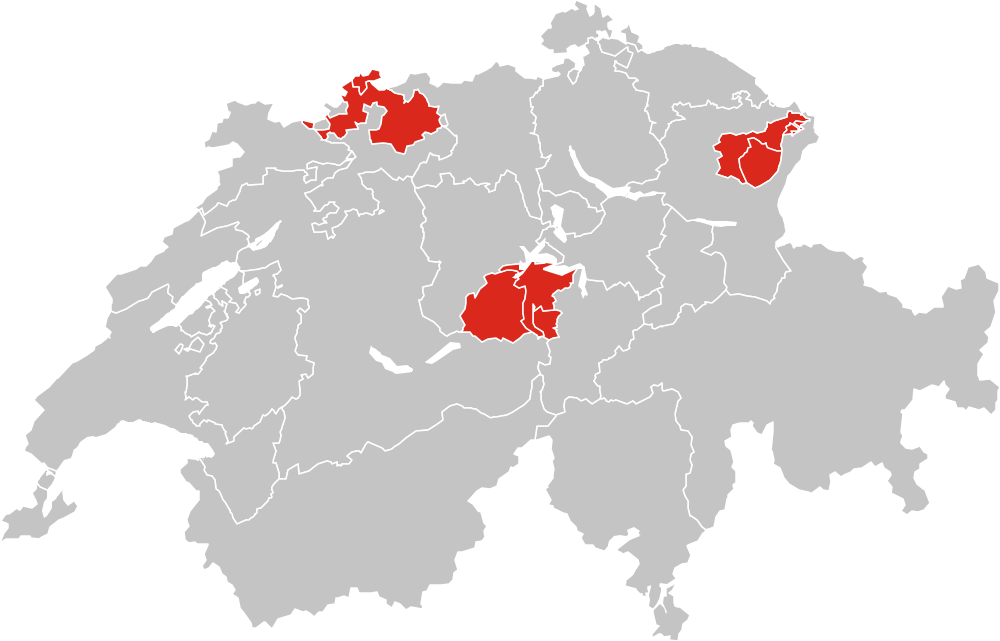
- Canton 1 × 20
- Half-canton ½ × 6
20 × 1 + 6 × ½ = 23 cantonal votes
Needed: 12 of 23. The 6 former half cantons count half.
Map: Bundesamt für Statistik (BFS), GEOSTAT.
Having a say: rights and obligations
Initiative and referendum
Sources
Last checked: September 2026
Question 8 of the official question list of the Canton of Zurich (Gemeindeamt, May 2025). Translation and explanation: Swiss Passport.